 English
 Español
  Português
  русский
  Français
  日本語
日本語  Deutsch
  tiếng Việt
  Italiano
  Nederlands
  ภาษาไทย
  Polski
  한국어
한국어  Svenska
  magyar
  Malay
Malay  বাংলা ভাষার
  Dansk
Dansk  Suomi
Suomi  हिन्दी
  Pilipino
  Türkçe
  Gaeilge
  العربية
  Indonesia
  Norsk
Norsk  تمل
تمل  český
český  ελληνικά
  український
  Javanese
  فارسی
فارسی  தமிழ்
தமிழ்  తెలుగు
  नेपाली
  Burmese
  български
  ລາວ
ລາວ  Latine
  Қазақша
  Euskal
  Azərbaycan
  Slovenský jazyk
  Македонски
  Lietuvos
  Eesti Keel
  Română
  Slovenski
  मराठी
मराठी  Srpski језик

Call Us
+86-512-62870424
Email Us
jane@soundbetter.cn

Why Are PET Acoustic Panels Becoming the Smart Choice for Modern Interiors?
Article Summary
Noise is one of the most underestimated problems in modern interior design. Offices struggle with speech privacy, meeting rooms suffer from echo, hospitality venues lose comfort, and education or healthcare spaces often become tiring simply because sound is not properly controlled. PET Acoustic Panels offer a practical way to reduce reverberation while supporting a cleaner and more design-friendly interior finish.
In this article, we explore what makes PET Acoustic Panels useful, where they work best, how they solve common customer concerns, and what buyers should check before making a decision. We also explain why many project planners, designers, and contractors are turning to customized solutions from manufacturers such as Suzhou Soundbetter Architectural Materials Co., Ltd. when they want both sound control and visual consistency in one product.
Table of Contents
- Article Outline
- What Problem Are PET Acoustic Panels Solving
- What Are PET Acoustic Panels
- Which Customer Pain Points Do They Address
- Where Can PET Acoustic Panels Be Used
- How Do They Compare with Other Acoustic Options
- What Should Buyers Check Before Ordering
- How Easy Are They to Install and Maintain
- FAQ
- Final Thoughts
Article Outline
- Understanding why uncontrolled noise affects comfort and productivity
- Explaining the structure and value of PET Acoustic Panels
- Showing how these panels solve real-world project concerns
- Reviewing common application scenarios
- Comparing them with other material choices
- Sharing a practical selection checklist for buyers
- Answering frequently asked questions
What Problem Are PET Acoustic Panels Solving
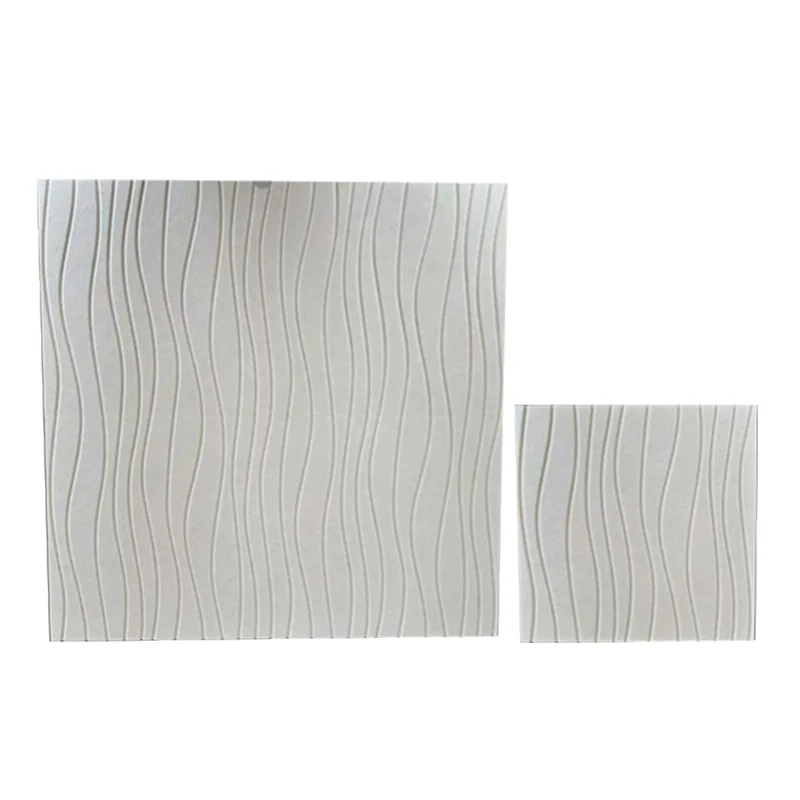
Many interior spaces look finished long before they feel comfortable. A room may have premium furniture, attractive lighting, and a polished color palette, yet still feel noisy, sharp, or exhausting. That usually happens when hard surfaces dominate the design. Glass, painted walls, tile, metal, and exposed concrete all reflect sound. The result is echo, overlapping voices, and a constant sense of acoustic pressure.
This issue is especially frustrating because it creates multiple problems at once. In offices, people struggle to focus. In conference rooms, speech becomes less clear. In restaurants and hospitality settings, guests raise their voices just to be heard. In schools, attention drops faster. In healthcare spaces, excessive noise can undermine a calmer environment. What starts as “a little noisy” often becomes a productivity, comfort, and customer-experience issue.
That is where PET Acoustic Panels step in. They are designed to absorb part of the sound energy in a room instead of letting it continue bouncing from surface to surface. This helps reduce reverberation, improve speech intelligibility, and create a more controlled acoustic atmosphere without forcing designers to sacrifice visual style.
A good acoustic solution does not need to make a room silent. It needs to make the room usable, comfortable, and easier to communicate in.
What Are PET Acoustic Panels
PET Acoustic Panels are sound-absorbing interior panels typically made from polyester fiber. They are widely used for wall applications, ceilings, workstation dividers, decorative feature surfaces, and other architectural elements where both sound control and design flexibility matter. Their appeal comes from the balance they offer: they can improve acoustic comfort while still supporting a modern finish.
Product information from Suzhou Soundbetter Architectural Materials Co., Ltd. presents this category as part of a broader acoustic product system that includes wallcoverings, ceiling acoustics, workstation screens, and space divider applications, with customization options and multiple color choices available. :contentReference[oaicite:1]{index=1}
In practical terms, buyers often like these panels for four reasons:
- They help soften echo and reduce harsh reflected sound.
- They can function as both acoustic treatment and interior decoration.
- They are available in varied shapes, colors, and surface patterns.
- They support flexible use across commercial and public interiors.
Instead of adding a purely technical acoustic material and then hiding it, designers can use PET Acoustic Panels as a visible part of the design language. That dual function is one of the biggest reasons they continue to gain attention in renovation and new-build projects.
Which Customer Pain Points Do They Address
Buyers rarely start by saying, “I need a polyester acoustic product.” They usually start with a problem. Understanding those problems makes product selection far easier.
| Common Pain Point | How PET Acoustic Panels Help | Why It Matters |
|---|---|---|
| Too much echo in a room | Absorb reflected sound and reduce reverberation | Makes conversations clearer and rooms more comfortable |
| Open-plan office distractions | Improve acoustic balance on walls, ceilings, or screens | Supports focus, speech privacy, and a calmer work environment |
| Design and acoustic goals feel separate | Offer decorative finishes and multiple visual options | Lets one product solve both technical and aesthetic needs |
| Complicated installation concerns | Can be used in practical panel-based installation systems | Helps speed up interior fit-out and renovation work |
| Need for customization | Can be tailored by color, cut, shape, or application type | Improves fit with project identity and architectural details |
One of the biggest frustrations for buyers is the gap between what a room looks like on paper and how it feels in use. A conference room might appear perfect in drawings, but once glass walls, hard tables, and exposed ceilings are in place, the space becomes tiring to use. PET Acoustic Panels help close that gap because they respond to how people actually hear and communicate in a room.
Another pain point is visual compromise. Some buyers worry that acoustic treatment will look too industrial, too technical, or too obvious. Modern panel systems make that concern easier to solve by offering more decorative flexibility. That means acoustic correction no longer has to look like an afterthought.
Where Can PET Acoustic Panels Be Used
PET Acoustic Panels are versatile because the same acoustic principle can be applied in many formats. Depending on the room and design goal, they may be installed as wall panels, ceiling features, suspended dividers, or workstation partitions.
- Offices: useful for open-plan work areas, meeting rooms, private phone booths, and reception zones
- Education spaces: classrooms, libraries, lecture rooms, and collaborative learning environments
- Healthcare projects: waiting areas, consultation rooms, corridors, and wellness-focused spaces
- Hospitality interiors: restaurants, cafés, hotel lounges, and function areas
- Public and cultural spaces: cinemas, studios, galleries, and multi-use halls
Soundbetter’s product presentation specifically references offices, hospitals, cinemas, wallcoverings, ceiling acoustics, workstation screens, and space divider use cases, which reflects how widely this category can be adapted across projects. :contentReference[oaicite:2]{index=2}
For many buyers, the strongest advantage is not that the panel works in one perfect scenario. It is that the same material family can be extended across multiple zones of a project, making the overall result feel more consistent.
How Do They Compare with Other Acoustic Options
Not every space needs the same type of acoustic treatment. However, many decision-makers compare PET Acoustic Panels with conventional fabric-wrapped systems, mineral-fiber solutions, or heavier technical materials. The right choice depends on project goals, but the comparison below can help frame the discussion.
| Option | Main Strength | Potential Limitation | Best Fit |
|---|---|---|---|
| PET Acoustic Panels | Balance of acoustic function and decorative flexibility | Performance depends on thickness, layout, and room design | Modern interiors needing both visual and acoustic improvement |
| Fabric-wrapped panels | Established acoustic treatment style | Can look more traditional or require additional finishing coordination | Formal interiors and dedicated acoustic rooms |
| Ceiling tiles | Helpful for large ceiling-based treatment | Less impact on wall aesthetics and feature design | Grid ceiling systems and broad area control |
| Hard decorative surfaces only | Strong visual effect | Poor acoustic comfort in many occupied spaces | Not ideal where speech clarity matters |
What often pushes buyers toward PET Acoustic Panels is that they do not feel like a separate technical add-on. They can become part of the architecture itself. When a product contributes to sound control, visual identity, and installation practicality at the same time, it becomes much easier to justify in a real project budget.
What Should Buyers Check Before Ordering
Choosing panels only by appearance is risky. A better approach is to evaluate product suitability from several angles at once.
-
Define the real acoustic problem.
Is the issue echo, poor privacy, general noise buildup, or weak speech clarity? Different problems may require different panel placement strategies. -
Review the intended application area.
A wall feature, ceiling element, workstation screen, and hanging divider all behave differently in a space. -
Check design flexibility.
If color, shape, and surface pattern matter, ask how far the customization can go and whether the system can match your project identity. -
Look at installation planning.
Fast installation can reduce project friction, especially in renovation work or staged commercial fit-outs. -
Ask about sample support and supplier responsiveness.
A dependable supplier should be able to discuss product options clearly and help align the material with the project brief.
The Soundbetter product page emphasizes customized service, OEM support, free samples, and product variety in this category, which is useful for buyers who need flexibility rather than a one-size-fits-all option. :contentReference[oaicite:3]{index=3}
The most successful acoustic purchase is not always the most technical one. It is the one that solves the actual room problem without creating new problems for design, installation, or project coordination.
How Easy Are They to Install and Maintain
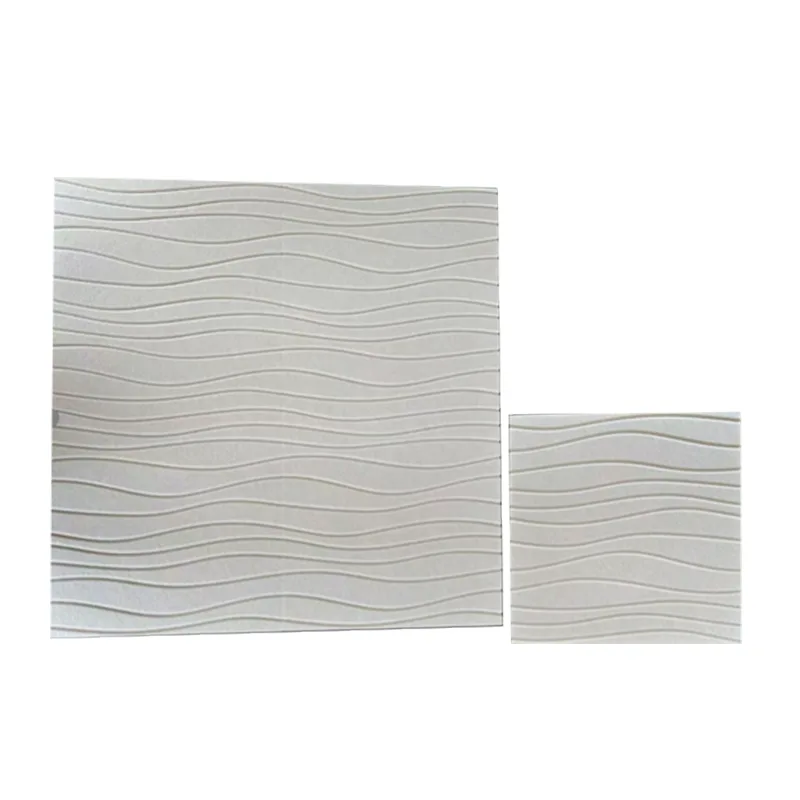
Installation is a major concern in real commercial projects. Buyers want products that improve space performance without creating excessive downtime or complicated finishing work. This is one reason panel-based systems continue to attract attention. They are easier to integrate into many interior plans than bulky or highly specialized acoustic structures.
Maintenance matters too. In busy environments, materials that can continue looking presentable with straightforward care are easier to justify. That matters in offices, schools, and public-facing spaces where surfaces must keep a clean appearance over time.
Product descriptions across Soundbetter’s PET acoustic range repeatedly point to convenient installation, broad color selection, and use in design-sensitive interiors. That combination is attractive for specifiers trying to balance performance and project efficiency. :contentReference[oaicite:4]{index=4}
FAQ
Are PET Acoustic Panels only for commercial spaces?
No. They are widely used in commercial interiors, but they can also work well in residential settings such as home offices, media rooms, study areas, and open living spaces where echo reduction is needed.
Do PET Acoustic Panels completely block sound?
They are mainly used to improve sound absorption and reduce reverberation inside a space. They help create a more comfortable acoustic environment, but they are not the same as a full structural soundproofing system.
Can these panels also support interior design goals?
Yes. That is one of their strongest advantages. Many buyers choose them because they can enhance wall or ceiling design while also improving the way a room sounds.
Are customized colors and patterns important?
Absolutely. Acoustic treatment is much easier to adopt when it fits the visual language of the space. A wider range of colors, cuts, and panel styles gives designers more freedom.
How do I know which panel format is right for my project?
Start with the room’s main acoustic issue and the intended surface area. Wall panels, ceiling systems, workstation screens, and hanging dividers all solve related but slightly different problems.
What Makes PET Acoustic Panels Worth Considering Today
More interior projects are being asked to do more with less. Spaces must look attractive, perform well, support comfort, and remain practical to install. That is exactly why PET Acoustic Panels are becoming such a compelling option. They answer a real problem that many people experience every day but often struggle to name: the hidden stress caused by poor room acoustics.
When chosen carefully, these panels can help transform a room from visually finished but acoustically frustrating into a space that feels more focused, more welcoming, and easier to use. For architects, interior designers, contractors, and project buyers, that is not a minor upgrade. It is a meaningful improvement in how the environment performs.
If you are exploring reliable and customizable acoustic solutions, Suzhou Soundbetter Architectural Materials Co., Ltd. offers a broad range of PET Acoustic Panels designed for wall, ceiling, divider, and workspace applications. If you are ready to improve sound comfort and elevate your next interior project, contact us today to discuss your requirements, request product details, and find the right solution for your space.
Send Inquiry



X
We use cookies to offer you a better browsing experience, analyze site traffic and personalize content. By using this site, you agree to our use of cookies.
Privacy Policy
News
 NEW ARRIVAl: Acoustic Baffles & Clouds2023/02/03
PET Acoustic Panel is made from 100% polyester, along with needle punching processing. The production process is completely physical and eco-friendly, no waste water, emissions, waste, no adhesive, the porous nature of acoustic panel makes it sound absorption and thermal insulative. Soundbetter supp......
 Ten advantages of sound-absorbing panels.2021/09/09
Environmental protection: It produces anti-ultraviolet, non-radiation, antibacterial, no formaldehyde, ammonia, benzene and other ...