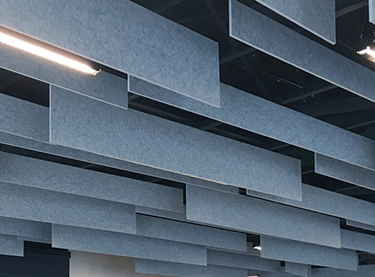
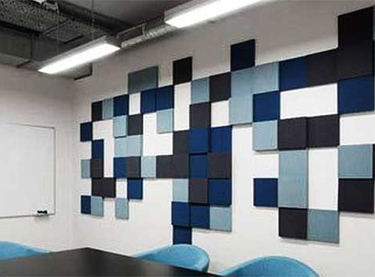
Article Summary: Acoustic suspended ceilings are becoming a popular choice for commercial and residential spaces due to their ability to control sound, improve acoustics, and enhance the aesthetic appeal of any room. In this blog, we explore the benefits, installation process, and different types of acoustic suspended ceilings available. We also answer common questions regarding maintenance and design, providing insights into how these systems can significantly enhance your space's acoustics and aesthetics.
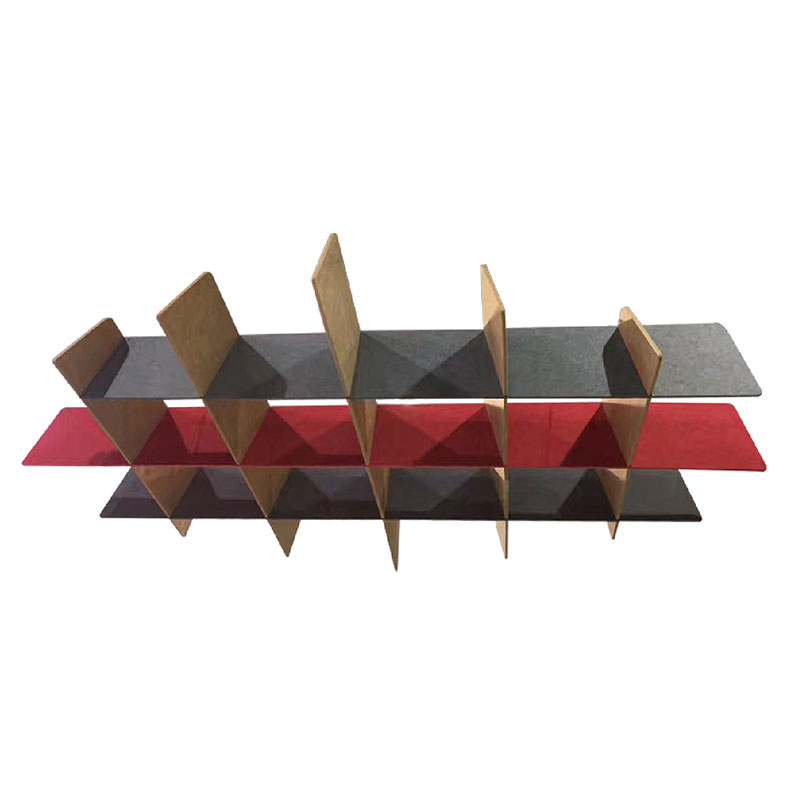
What Are the Benefits of Acoustic Suspended Ceilings?
Acoustic suspended ceilings are designed to enhance the sound environment within a room. By controlling sound reverberation and reducing echo, they help create a more comfortable and quiet atmosphere. Whether you're in a noisy office, a school, or a music studio, these ceilings provide significant benefits:
-
Improved Acoustic Performance: They effectively absorb sound, preventing noise from traveling between rooms.
-
Enhanced Comfort: Reducing noise pollution improves overall comfort, making it easier to focus or relax.
-
Energy Efficiency: Acoustic ceilings can contribute to better thermal insulation, leading to energy savings.
-
Stylish Design: Available in various designs, they complement the aesthetic of any room.
Types of Acoustic Suspended Ceilings
Acoustic suspended ceilings come in various materials, each offering unique benefits. The most common types include:
|
Type
|
Material
|
Best For
|
|
Mineral Fiber Tiles
|
Mineral fiber, fiberglass
|
Offices, classrooms, and conference rooms
|
|
Fabric-Wrapped Panels
|
Fabric over acoustic core
|
Concert halls, auditoriums, theaters
|
|
Metal Ceiling Tiles
|
Aluminum, steel
|
Modern commercial spaces, high-end offices
|
|
Wooden Acoustic Panels
|
Wood with sound-absorbing backing
|
Luxury spaces, restaurants, or hotels
|
How Are Acoustic Suspended Ceilings Installed?
The installation of acoustic suspended ceilings is a relatively straightforward process, but it requires professional expertise to ensure the best results. The steps generally include:
-
Assessment: Evaluate the room’s size, acoustics, and the level of sound control needed.
-
Design: Select the appropriate ceiling tiles and acoustic materials.
-
Grid System Installation: Install a metal grid system to hold the ceiling panels in place.
-
Panel Installation: Place the acoustic panels into the grid system, ensuring proper alignment and sound absorption.
-
Final Inspection: Check for any gaps or issues with acoustics and make adjustments if necessary.
Maintenance and Care for Acoustic Suspended Ceilings
Maintaining your acoustic suspended ceiling is essential for longevity and continued performance. Regular care can help you preserve its appearance and functionality:
-
Dusting: Regularly dust the panels to prevent dirt buildup, which can affect acoustic performance.
-
Cleaning: Some panels are washable. Use a soft cloth and mild detergent to clean fabric or mineral fiber tiles.
-
Inspections: Check for any damage or loosening of the grid system to ensure the ceiling remains secure and functional.
-
Repairs: Any damaged panels should be replaced promptly to maintain both sound quality and aesthetics.
Frequently Asked Questions (FAQ)
1. What is an acoustic suspended ceiling?
An acoustic suspended ceiling is a type of ceiling system designed to control sound, reduce noise, and enhance acoustics within a room. It is typically made of sound-absorbing materials and suspended from the original ceiling structure using a grid system.
2. Where can acoustic suspended ceilings be used?
These ceilings are ideal for areas with high noise levels, such as offices, classrooms, conference rooms, and even entertainment spaces like theaters and studios.
3. How long do acoustic suspended ceilings last?
With proper maintenance, acoustic suspended ceilings can last for several decades. The lifespan depends on the material and the level of usage and maintenance.
4. Can I install acoustic ceilings myself?
While DIY installation is possible, it is highly recommended to hire a professional for the installation to ensure the ceiling is properly designed and installed for optimal sound control.
5. Are acoustic suspended ceilings energy efficient?
Yes, acoustic suspended ceilings can provide additional insulation, helping to reduce energy consumption in both heating and cooling systems, which can contribute to energy savings in the long run.
Looking for the best acoustic suspended ceiling solutions? Contact us at Soundbetter today to learn more about how our products can transform your space and provide superior sound control. We offer a variety of materials and designs to suit your needs. Contact us for a personalized consultation.