 English
 Español
  Português
  русский
  Français
  日本語
日本語  Deutsch
  tiếng Việt
  Italiano
  Nederlands
  ภาษาไทย
  Polski
  한국어
한국어  Svenska
  magyar
  Malay
Malay  বাংলা ভাষার
  Dansk
Dansk  Suomi
Suomi  हिन्दी
  Pilipino
  Türkçe
  Gaeilge
  العربية
  Indonesia
  Norsk
Norsk  تمل
تمل  český
český  ελληνικά
  український
  Javanese
  فارسی
فارسی  தமிழ்
தமிழ்  తెలుగు
  नेपाली
  Burmese
  български
  ລາວ
ລາວ  Latine
  Қазақша
  Euskal
  Azərbaycan
  Slovenský jazyk
  Македонски
  Lietuvos
  Eesti Keel
  Română
  Slovenski
  मराठी
मराठी  Srpski језик

Call Us
+86-512-62870424
Email Us
jane@soundbetter.cn

Why Are Recycled PET Acoustic Panels the Ultimate Choice for Modern Soundproofing
Article Summary: Recycled PET acoustic panels have emerged as an eco-friendly, effective, and versatile solution for sound absorption in both commercial and residential spaces. In this blog, we will explore their benefits, technical specifications, installation methods, and applications. We will also compare them with traditional acoustic materials, provide practical tips, and answer frequently asked questions to help you make an informed decision when choosing soundproofing solutions.
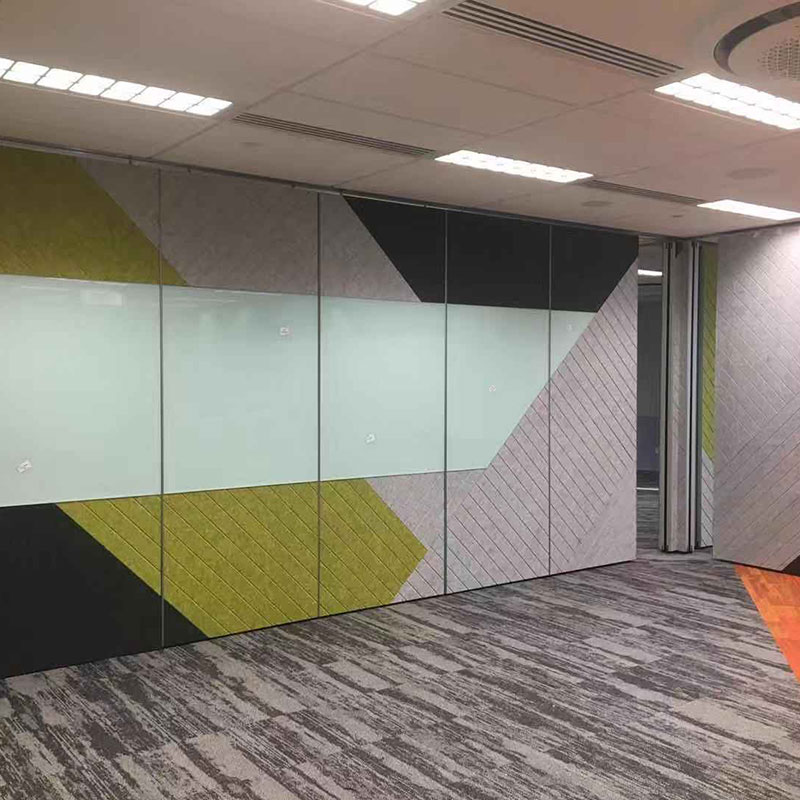
Table of Contents
- What Are Recycled PET Acoustic Panels?
- Benefits of Recycled PET Acoustic Panels
- Technical Specifications
- Installation Guide
- Applications and Use Cases
- Comparison with Traditional Acoustic Materials
- Maintenance and Durability
- Environmental Impact
- FAQ
What Are Recycled PET Acoustic Panels?
Recycled PET acoustic panels are sound-absorbing panels made from post-consumer polyethylene terephthalate (PET) bottles. They are designed to reduce noise, improve room acoustics, and provide aesthetic value in modern interiors. Manufactured by companies like Soundbetter, these panels come in various colors, textures, and thicknesses to suit different design requirements.
- Eco-friendly: made from 100% recycled materials.
- Lightweight: easy to handle and install.
- Fire-resistant: suitable for commercial and public spaces.
- Acoustically effective: high noise absorption coefficient.
Benefits of Recycled PET Acoustic Panels
Using recycled PET panels offers numerous advantages over traditional soundproofing materials. Key benefits include:
| Benefit | Description |
|---|---|
| Eco-friendly | Made from recycled PET bottles, reducing plastic waste. |
| Effective Sound Absorption | Reduces echo and reverberation in rooms efficiently. |
| Design Versatility | Available in various colors, patterns, and shapes for aesthetic enhancement. |
| Durability | Long-lasting and resistant to moisture and mold. |
| Fire Safety | Meets fire-resistant standards for public and commercial spaces. |
Technical Specifications
Recycled PET acoustic panels from Soundbetter have the following key specifications:
- Material: 100% Recycled PET fibers
- Thickness: 12mm - 50mm
- Density: 150 - 250 kg/m³
- Noise Reduction Coefficient (NRC): 0.65 - 0.95
- Fire rating: Class B1 (EN13501-1)
- Dimensions: Standard panels 600x600mm, 1200x600mm
Installation Guide
Installing recycled PET acoustic panels is straightforward and can be performed by professionals or DIY enthusiasts. Here’s a step-by-step guide:
- Prepare the Surface: Ensure walls or ceilings are clean, dry, and free of dust.
- Measure and Mark: Use a pencil and tape measure to plan panel placement for optimal coverage.
- Apply Adhesive: Use a high-quality construction adhesive or mounting tape suitable for PET panels.
- Attach Panels: Press panels firmly onto the wall or ceiling and hold for a few minutes.
- Optional Finishing: Seal panel edges with matching trims or paint for a polished look.
Applications and Use Cases
Recycled PET acoustic panels are highly versatile and can be used in various environments, including:
- Offices: Reduce background noise and improve employee productivity.
- Recording Studios: Provide superior sound absorption and clarity.
- Restaurants & Cafes: Minimize noise pollution and create a comfortable ambiance.
- Educational Facilities: Improve learning environments by controlling echo and noise.
- Home Theaters: Enhance audio performance and prevent sound leakage.
Comparison with Traditional Acoustic Materials
Here’s a comparison of recycled PET panels versus conventional acoustic materials:
| Feature | Recycled PET Panels | Traditional Foam Panels |
|---|---|---|
| Environmental Impact | Made from recycled bottles, sustainable | Non-recyclable, petroleum-based |
| Durability | Long-lasting, moisture-resistant | Prone to degradation over time |
| Fire Resistance | Class B1 or higher | Varies, often lower fire rating |
| Acoustic Performance | Excellent NRC 0.65-0.95 | Good NRC 0.5-0.7 |
| Design Options | Wide range of colors, textures, and shapes | Limited color and texture choices |
Maintenance and Durability
Recycled PET panels are low-maintenance and highly durable. Recommended practices include:
- Regular dusting with a soft cloth or vacuum brush.
- Spot cleaning with mild detergent and water.
- Avoiding exposure to extreme heat or direct sunlight for prolonged periods.
Environmental Impact
Recycled PET acoustic panels help reduce environmental pollution by:
- Reusing post-consumer plastic bottles.
- Minimizing landfill waste.
- Lowering the carbon footprint compared to synthetic foam panels.
- Promoting sustainable interior design practices.
FAQ
1. Are recycled PET acoustic panels fire-resistant?
Yes, most panels from Soundbetter meet Class B1 fire-resistant standards, making them suitable for commercial and public spaces.
2. How effective are they in sound absorption?
They typically have a Noise Reduction Coefficient (NRC) between 0.65 and 0.95, which means they are highly effective in reducing echo and reverberation.
3. Can they be installed on ceilings as well as walls?
Absolutely. These panels are lightweight and versatile, suitable for both walls and ceilings.
4. Are there custom design options?
Yes, Soundbetter offers a wide range of colors, textures, and shapes, allowing for creative interior design solutions.
5. Are recycled PET panels eco-friendly?
Yes, they are made from 100% recycled PET bottles, contributing to environmental sustainability.
In conclusion, recycled PET acoustic panels from Soundbetter provide a sustainable, aesthetically pleasing, and highly effective solution for modern acoustic challenges. Whether you are designing a home theater, office, or public space, these panels offer unmatched versatility and performance. To explore a range of options and enhance your acoustic environment today, contact us for professional guidance and solutions.
Send Inquiry



X
We use cookies to offer you a better browsing experience, analyze site traffic and personalize content. By using this site, you agree to our use of cookies.
Privacy Policy
News
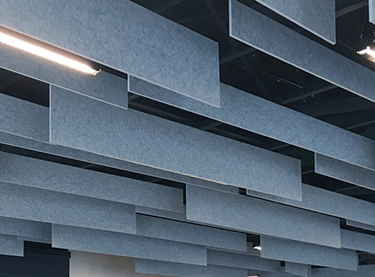 NEW ARRIVAl: Acoustic Baffles & Clouds2023/02/03
PET Acoustic Panel is made from 100% polyester, along with needle punching processing. The production process is completely physical and eco-friendly, no waste water, emissions, waste, no adhesive, the porous nature of acoustic panel makes it sound absorption and thermal insulative. Soundbetter supp......
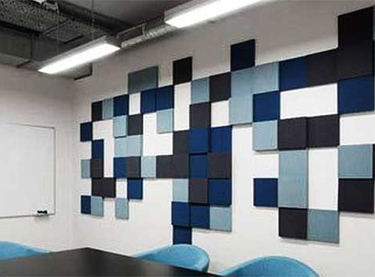 Ten advantages of sound-absorbing panels.2021/09/09
Environmental protection: It produces anti-ultraviolet, non-radiation, antibacterial, no formaldehyde, ammonia, benzene and other ...